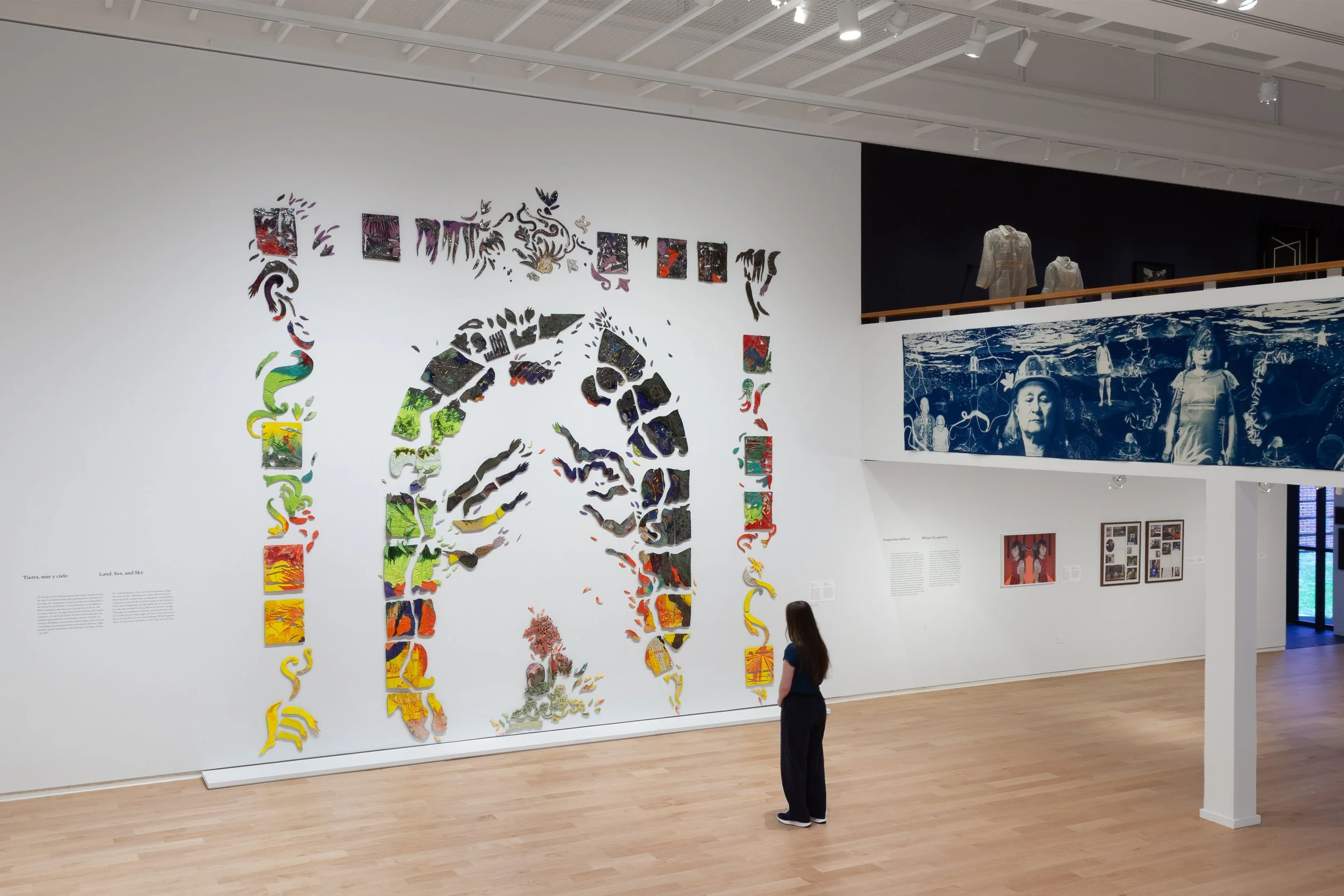
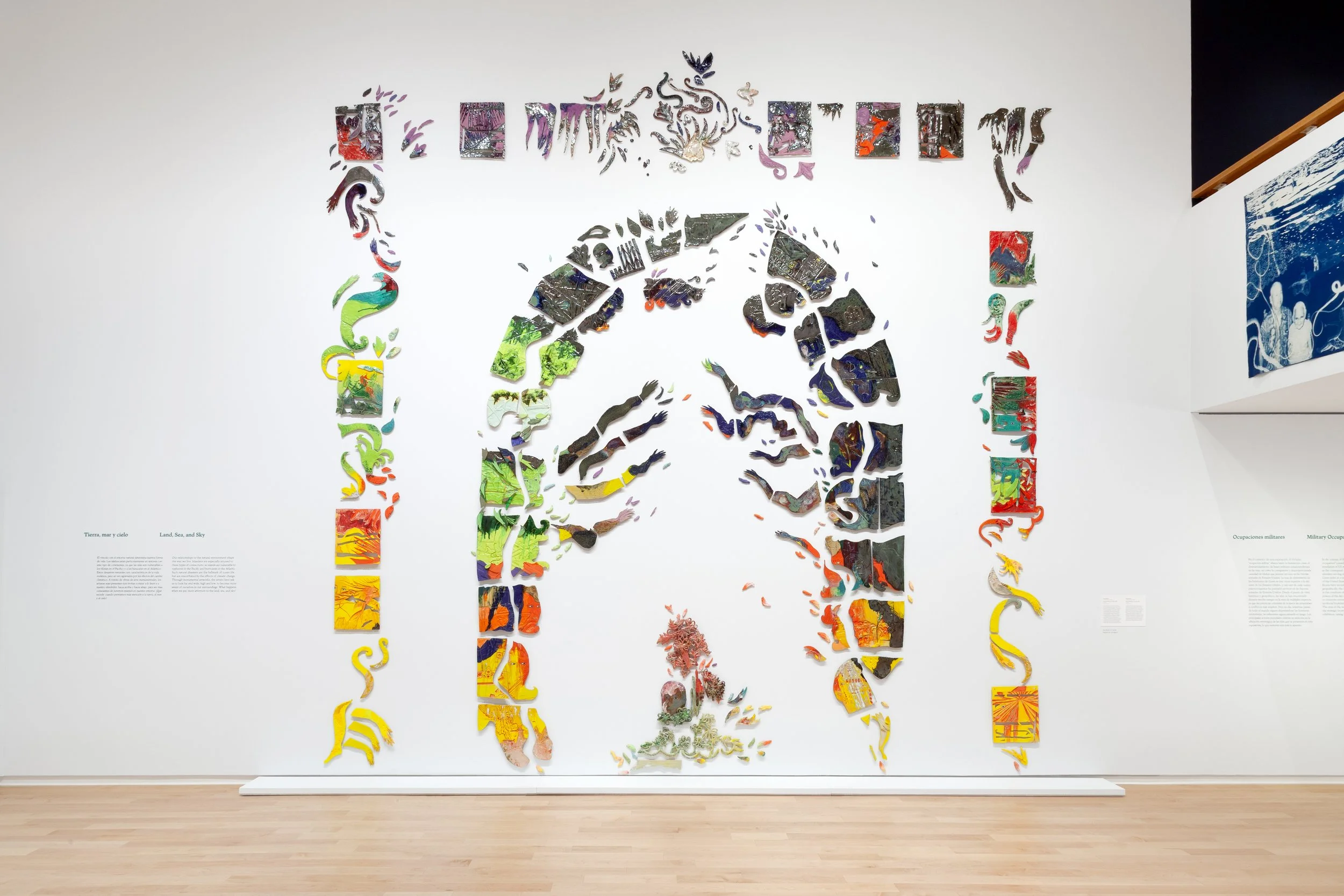
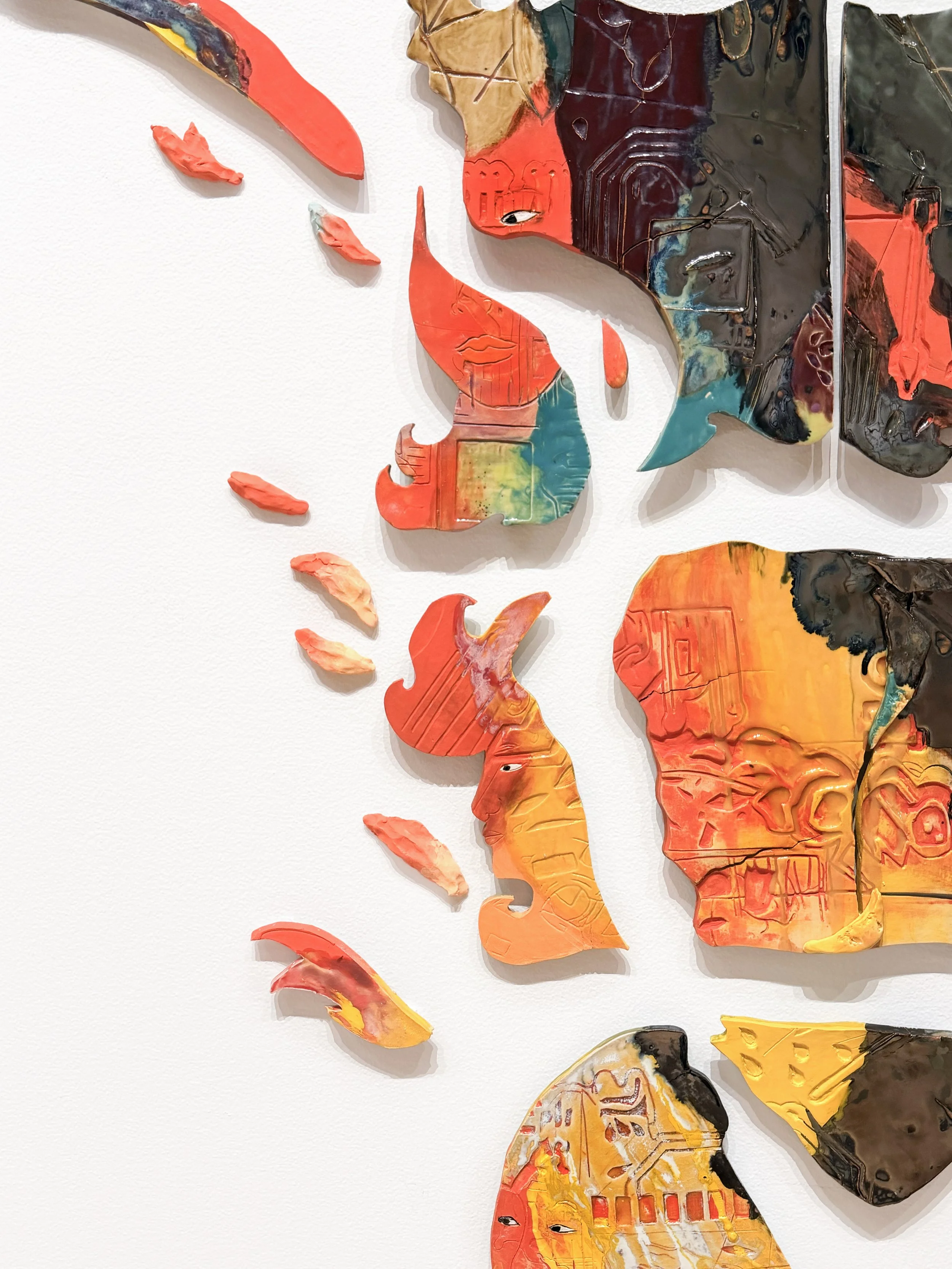
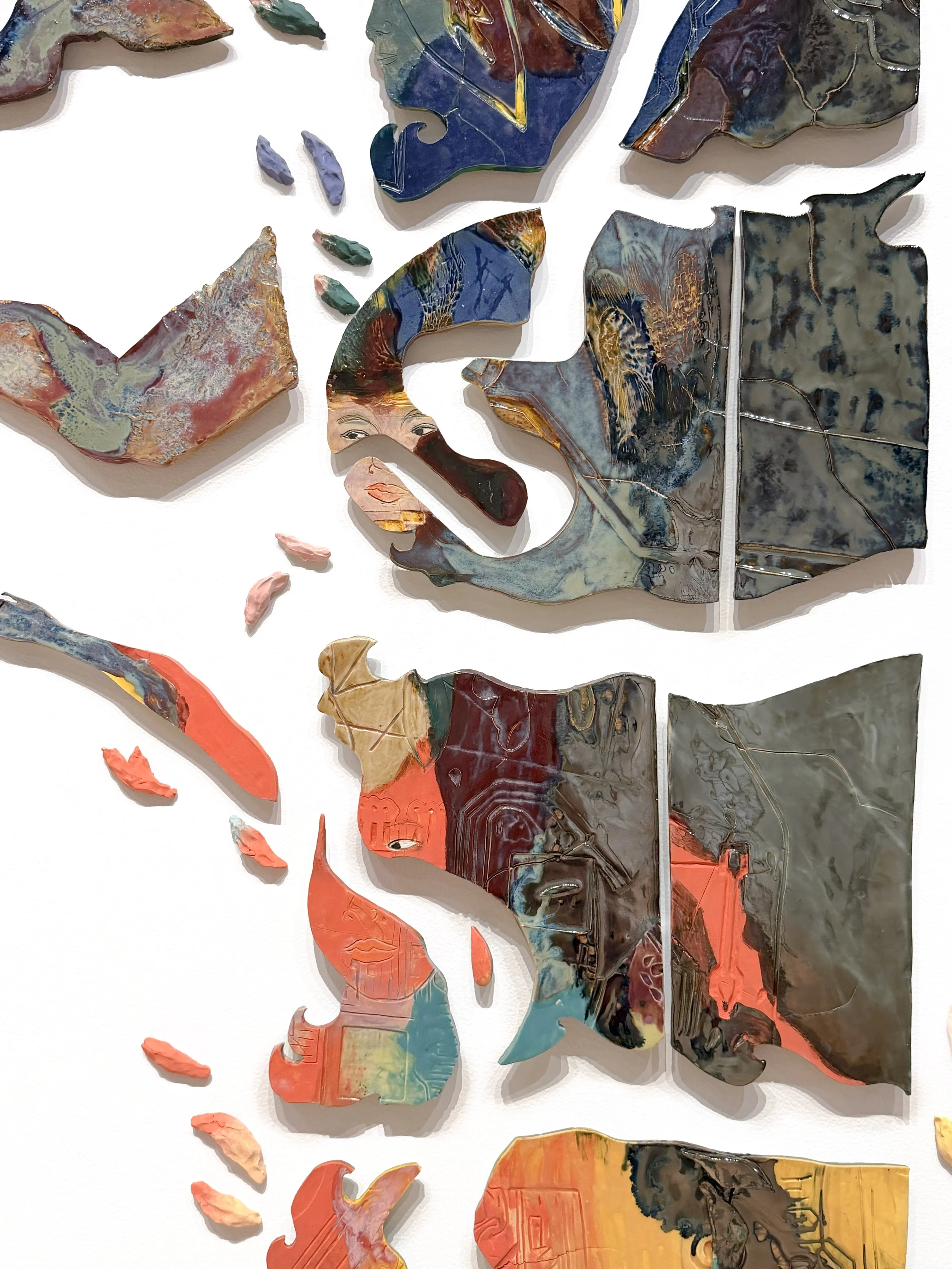
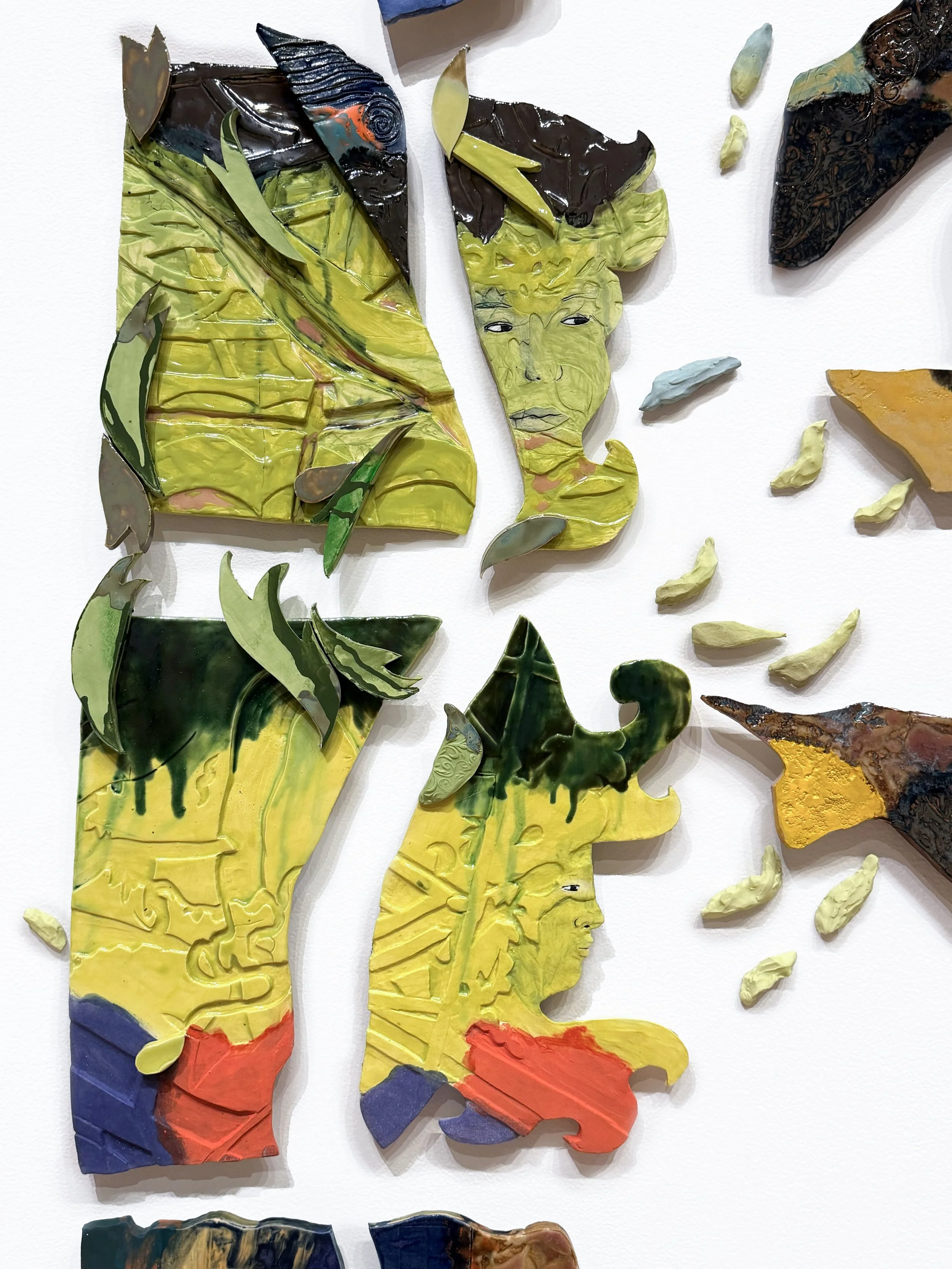
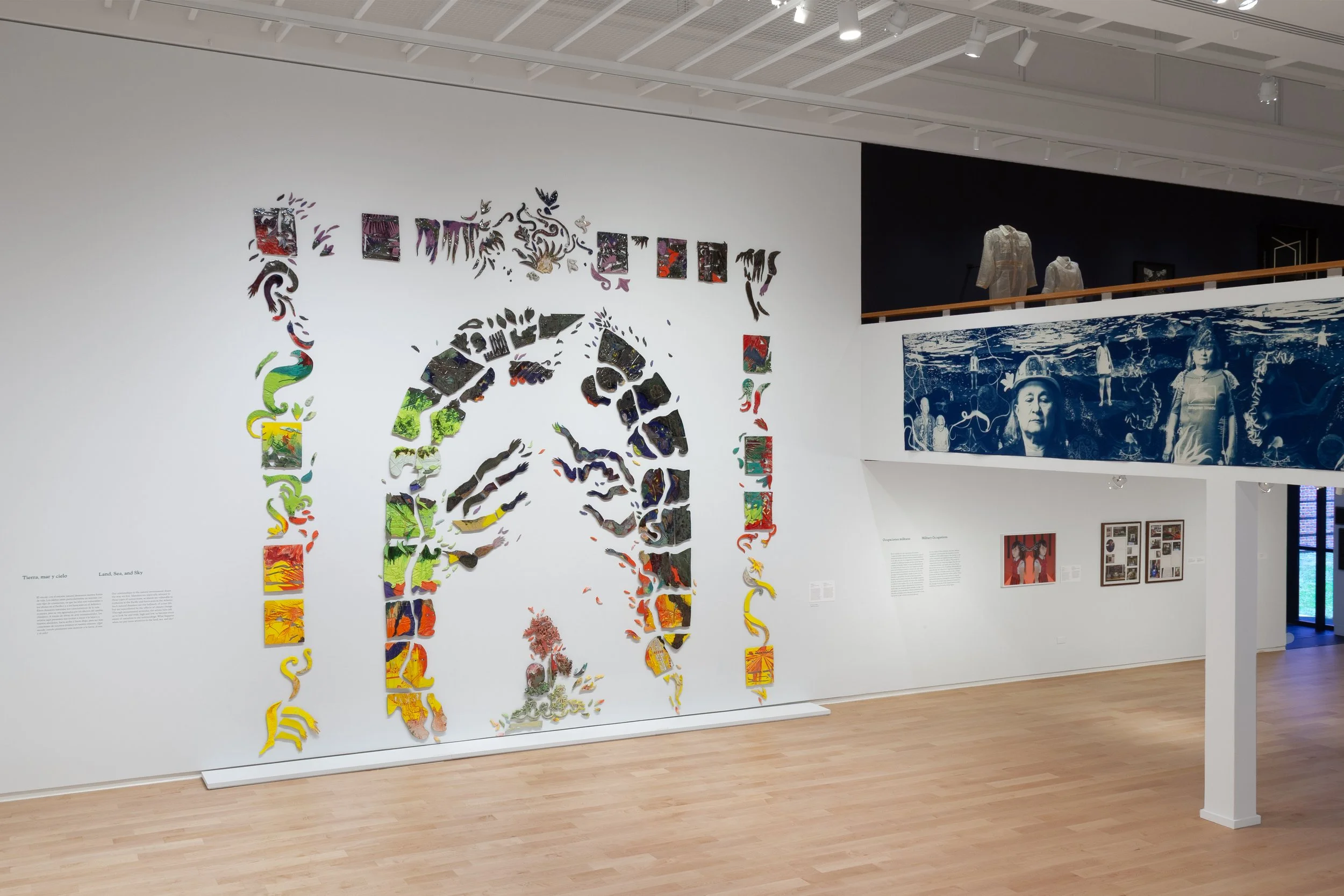
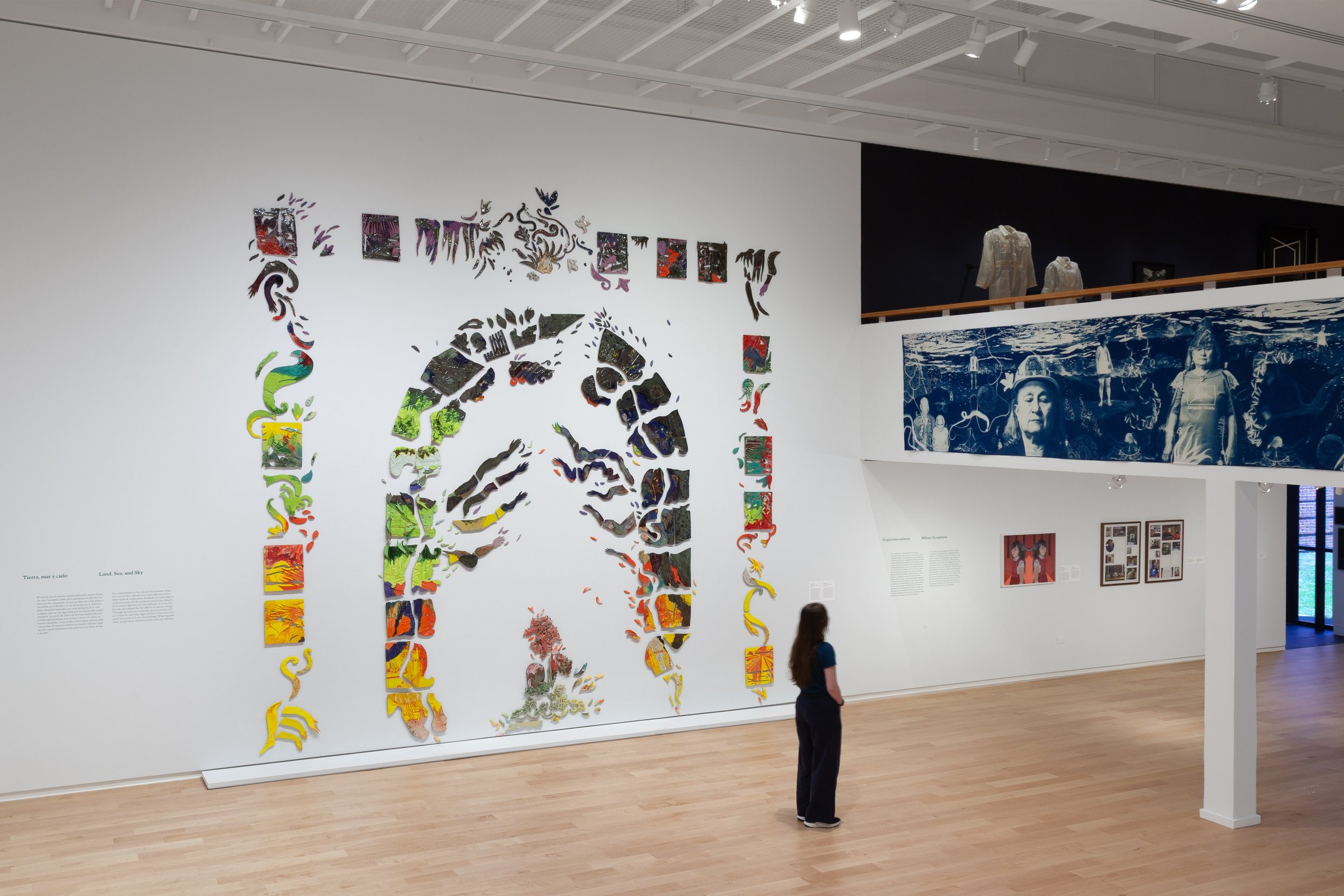
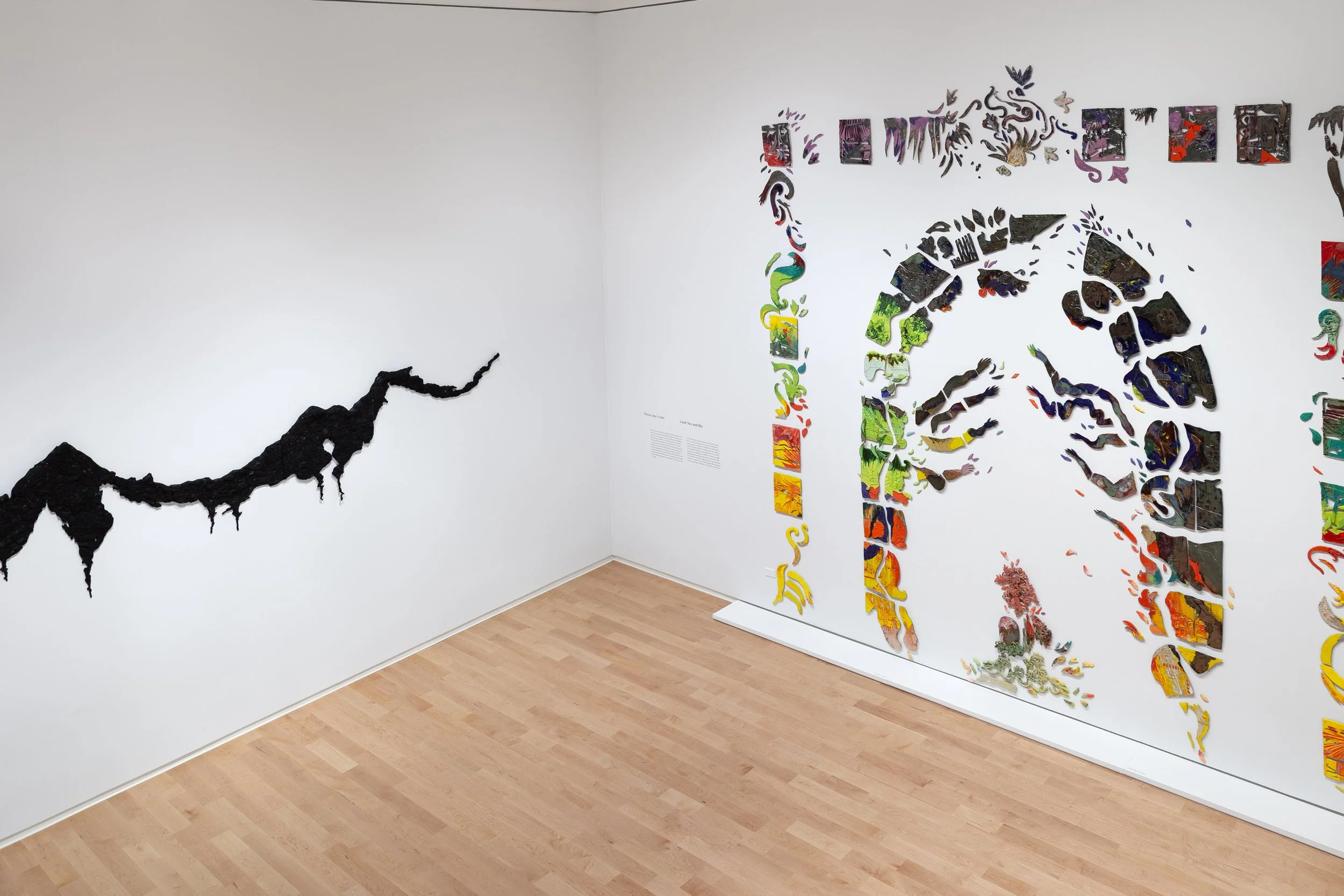
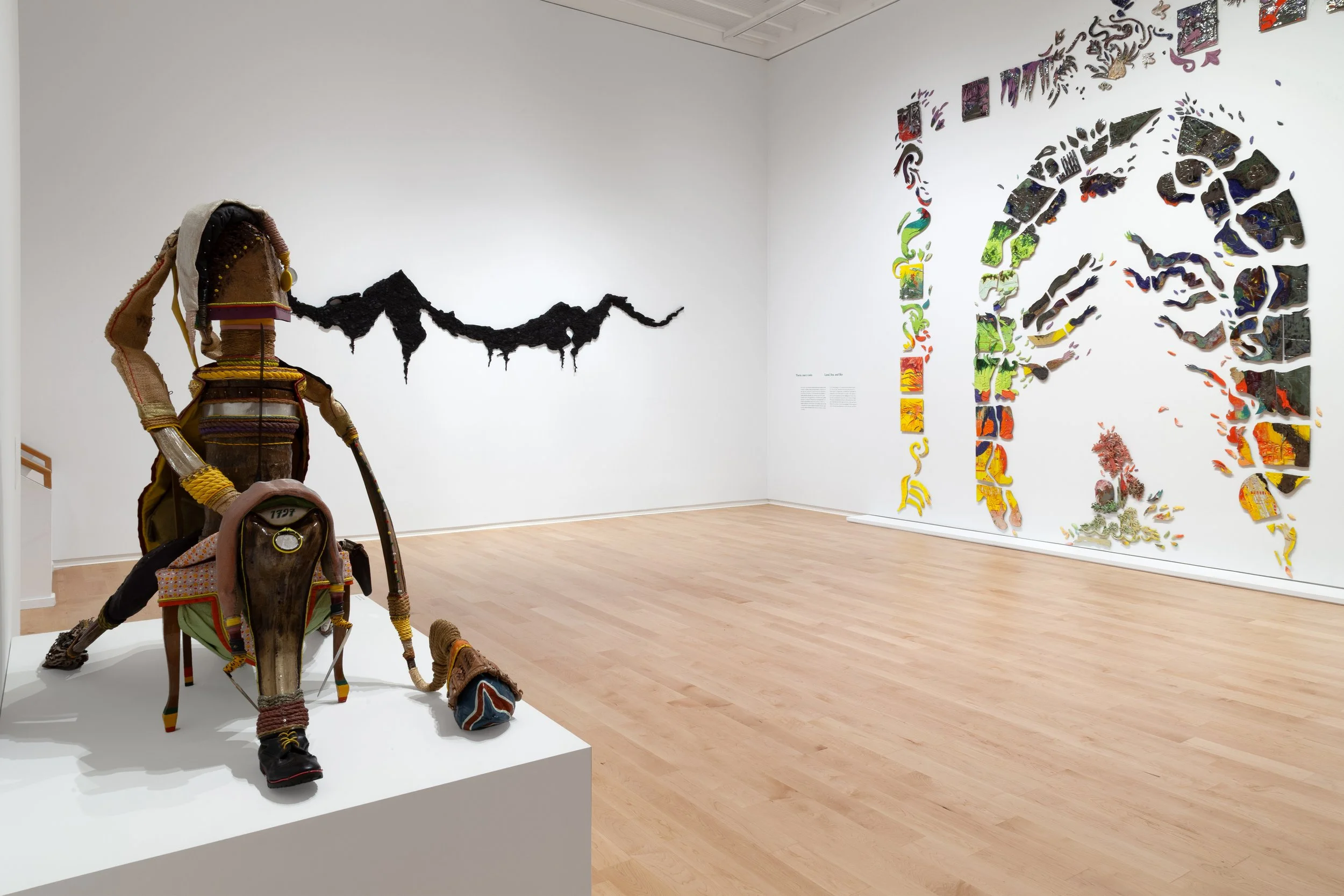
the sea breathing us in and out (2026), installation view, Colby College Museum of Art, Waterville, Maine.
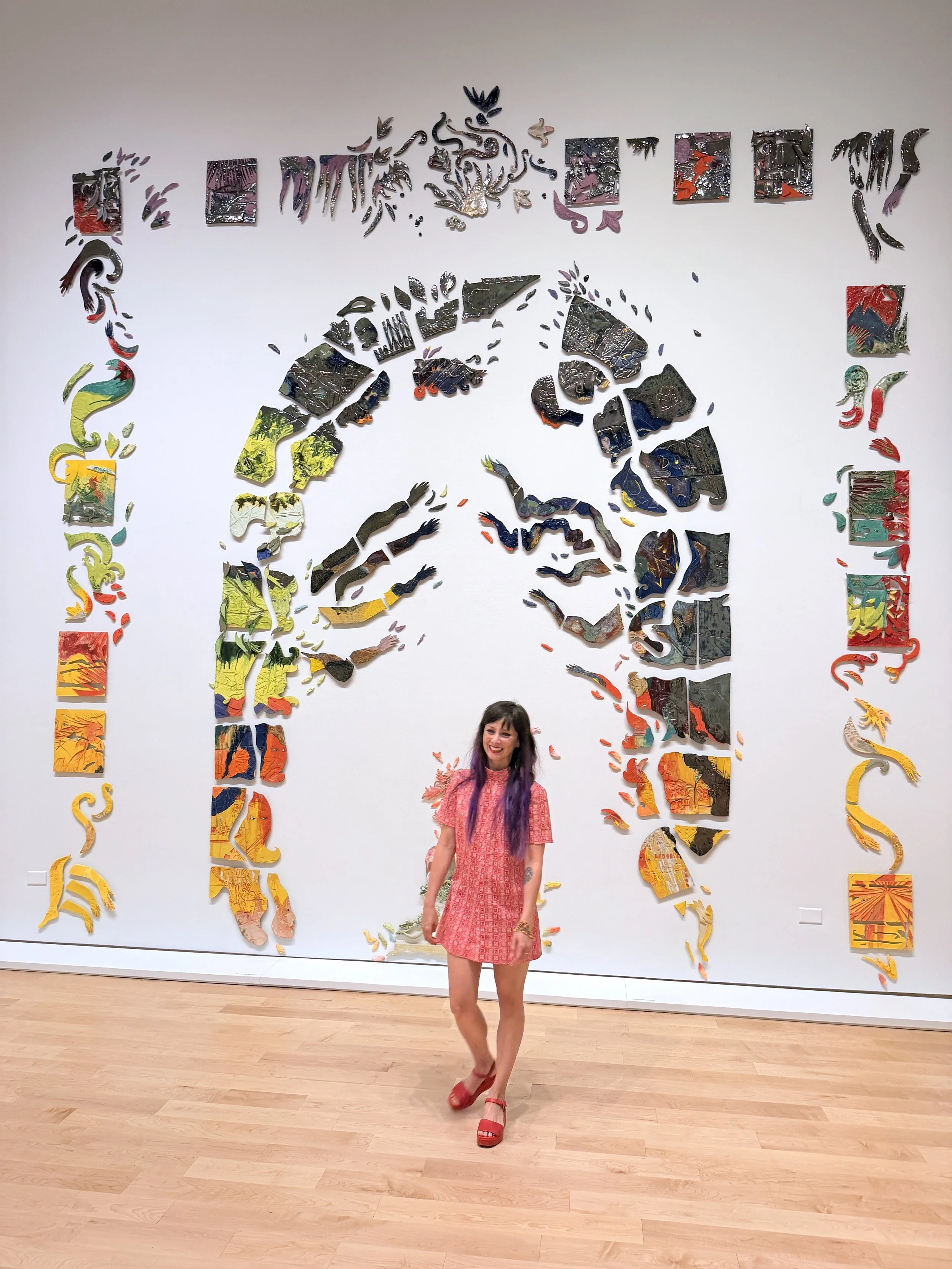
Sara Jimenez with the sea breathing us in and out (2026), Colby College Museum of Art, Waterville, Maine.
the sea breathing us in and out (2026), installation view, Colby College Museum of Art, Waterville, Maine.
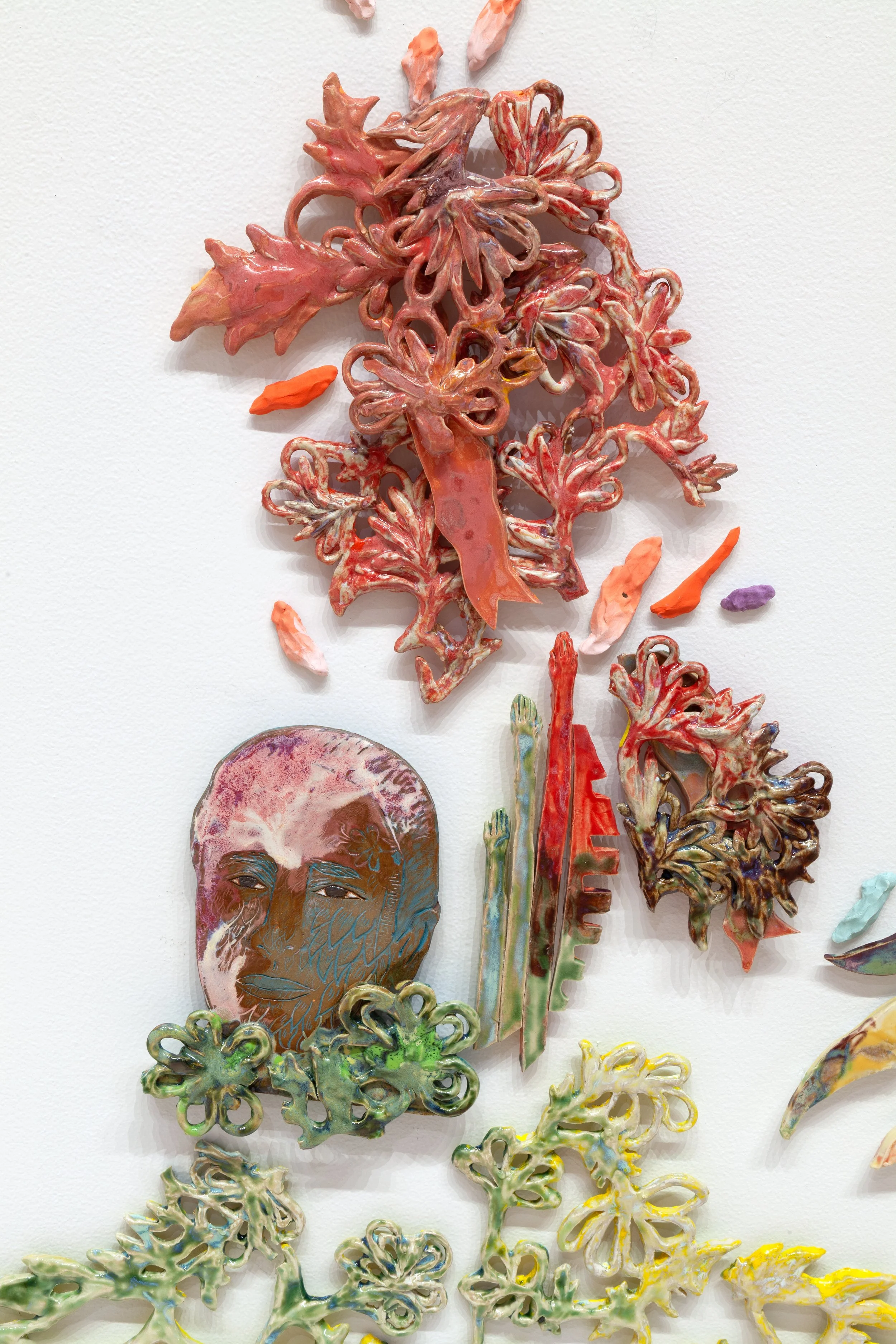
the sea breathing us in and out (2026), detail, Colby College Museum of Art, Waterville, Maine.
the sea breathing us in and out (2026), detail.
the sea breathing us in and out (2026), detail.
the sea breathing us in and out (2026), detail.
the sea breathing us in and out (2026), installation view, Colby College Museum of Art, Waterville, Maine.
the sea breathing us in and out (2026), installation view, Colby College Museum of Art, Waterville, Maine.
Installation view of Imagining an Archipelago, with the sea breathing us in and out (2026) at right, Colby College Museum of Art, Waterville, Maine.
The Colby College Museum of Art in Waterville, Maine commissioned me to create a new site specific work for the traveling group exhibition, Imagining an Archipelago: Art from Cuba, Guam, the Philippines, Puerto Rico, and Their Diasporas. This exhibition was curated by Jessamine Batario.
One theme within my practice is the idea of transformation—transforming architectures of war and violence into ecosystems of beauty, porousness, and connection. My childhood memories in the Philippines exposed me to these kinds of transformations. While snorkeling, I saw sunken Japanese military ships transformed into abundant marine environments, as well as former World War II Jeeps transformed into brightly decorated and personalized “jeepneys,” one of the main forms of public transportation.
Similarly, I am using transformation as a visual strategy for this commission. I created a new ceramic mural on the main wall of the Colby College Museum’s art galleries. The shape of the mural references a military archway in Manila called Fort Santiago, and transforms it into an anthropomorphized space, embedded with interspecies life and abundant waterways.
The Fort Santiago gateway marks the port of Manila, which was a major thoroughfare for transpacific trade between Europe, East Asia, and the Americas. The Spanish Empire created it on top of preexisting waterways, using nearby volcanic tuff from the islands to construct the fort as well as the walled city surrounding it.
I am deconstructing this military architecture by reshaping it through clay. Instead of a fortress meant to separate and enclose, my archway is alive with my family and inseparable from the surrounding landscape. It is embedded with faces from my family as well as plant and water motifs from precolonial Filipino culture. This anthropomorphic archway has a curved negative space running throughout it, which mimics the contour of the Pasig River that passes through Manila and opens into the ocean.
In precolonial Filipino belief systems, the mouth of the river has sacred properties. I am interested in the river merging into the archway, carving out paths and giving the stone life. Each figurative clay slab is made in two to three parts, creating negative spaces that reveal the shape of the Pasig River.
I want the archway to feel sacred not only by visually reconnecting the architecture to the water, but also by referencing precolonial sacred structures. I was inspired by the history of freestanding archways in Manila and learned about the influence of Chinese paifangs and Indian toranas, Hindu and Buddhist archways that mark the entrances and exits of temples. Hinduism and Buddhism were important religions throughout parts of the Philippines prior to Spanish colonization and influenced the architecture of the region.
By referencing these sacred architectures, I am interested in transforming what seems like a static, authoritative space into an environment that goes beyond physical boundaries.
Imagining an Archipelago will travel to Museo de Arte Contemporáneo de Puerto Rico, The Yerba Buena Center, and The Newark Museum of Art between 2026-2029.